Continue reading


Follow Us:


How On-Site Solar Delivers Long-Term Value for Industrial Facilities
How On-Site Solar Delivers Long-Term Value for Industrial Facilities
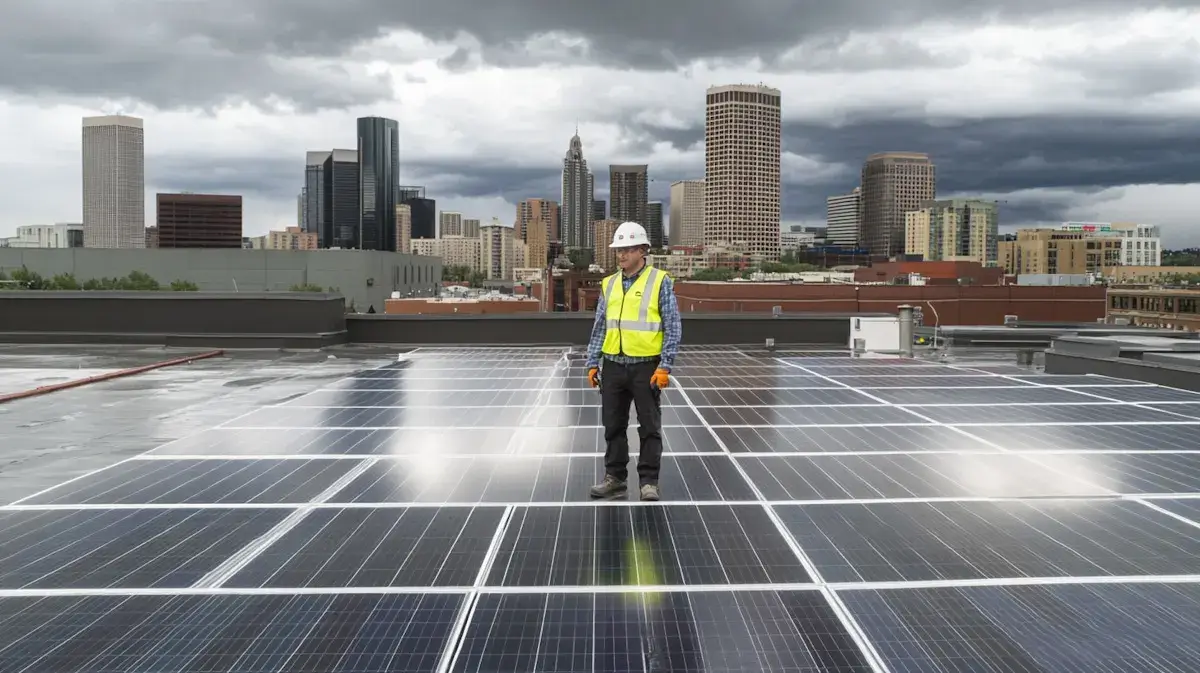
Industrial facilities face increasing pressure to control operating costs while reducing their environmental impact. Rising electricity prices, growing sustainability expectations, and stricter environmental regulations are encouraging organizations to rethink how they generate and manage energy.
On-site solar power has become one of the most practical solutions, allowing businesses to produce clean electricity directly where it is needed. Beyond lowering utility expenses, solar energy strengthens operational resilience and supports long-term business growth.
Why Industrial Facilities Are Investing in Solar
Unlike residential installations, commercial and industrial solar systems are designed to support continuous operations with predictable energy production over decades.
Organizations are increasingly adopting solar energy to:
- Reduce long-term electricity expenses.
- Improve energy price stability.
- Lower carbon emissions.
- Strengthen ESG and sustainability performance.
- Increase energy independence from the grid.
For facilities with large rooftops or available land, solar often represents an opportunity to transform unused space into a productive business asset.
Lower Operating Costs Over Time
Electricity is one of the largest operational expenses for many manufacturers and commercial operators. Every kilowatt-hour generated on-site reduces the amount of electricity purchased from the grid.
Over the lifetime of a solar installation, these savings can become substantial. Because sunlight is a free energy source, organizations gain greater control over future operating costs while reducing exposure to fluctuating energy prices.
Predictable energy expenses also improve financial planning and investment confidence.
Enhancing Business Resilience
Energy reliability is increasingly important for industrial operations where unexpected power interruptions can affect production schedules and revenue.
When combined with battery energy storage, on-site solar systems can help facilities:
- Maintain critical operations during grid disruptions.
- Reduce dependence on external electricity suppliers.
- Improve overall energy security.
- Support business continuity planning.
This added resilience becomes especially valuable in regions experiencing growing energy demand or grid instability.
Supporting Sustainability Objectives
Many organizations have established carbon reduction targets as part of their long-term sustainability strategy.
Replacing a portion of grid electricity with renewable solar energy directly contributes to lower greenhouse gas emissions while demonstrating measurable environmental progress.
Reliable energy data from solar systems also supports sustainability reporting by providing accurate information on renewable energy generation and avoided emissions.
Maximizing Return Through Smart System Design
Successful solar projects begin with careful planning rather than simply installing as many panels as possible.
Factors that influence long-term performance include:
- Facility energy consumption patterns.
- Available roof or ground space.
- Local weather conditions.
- Future business expansion plans.
- Integration with existing electrical infrastructure.
A properly engineered system delivers higher efficiency, greater reliability, and stronger long-term financial returns.
Looking Beyond Immediate Savings
While lower electricity bills often justify the initial investment, the long-term value of solar extends well beyond cost reduction.
Organizations also benefit from:
- Improved operational resilience.
- Stronger environmental credentials.
- Better compliance with sustainability initiatives.
- Increased attractiveness to investors and customers.
- Greater preparedness for future energy market changes.
As renewable technologies continue to advance, businesses that invest early position themselves for lasting competitive advantages.
Building a More Sustainable Energy Future
On-site solar is more than an alternative energy source—it is a strategic investment in operational efficiency, resilience, and environmental responsibility.
By generating clean electricity where it is consumed, industrial facilities can reduce operating costs, improve long-term planning, and make meaningful progress toward sustainability goals without compromising productivity.
Key Takeaways
- On-site solar reduces long-term electricity costs.
- Renewable energy improves business resilience and energy independence.
- Solar supports measurable carbon reduction goals.
- Smart system design maximizes financial and operational performance.
- Investing in renewable energy strengthens long-term business sustainability.
Category :
Renewable Energy
Solution :
Clean Energy
Reading time :
6 min read
Writter :
Daniel Foster
Date :
April 20, 2024