Continue reading


Follow Us:


Improving Plant Performance Through Monitoring Systems

Improving Plant Performance Through Energy Monitoring Systems
Energy is one of the largest operating expenses for industrial facilities. Yet many organizations still rely on monthly utility bills to understand consumption, making it difficult to identify inefficiencies before they impact production costs.
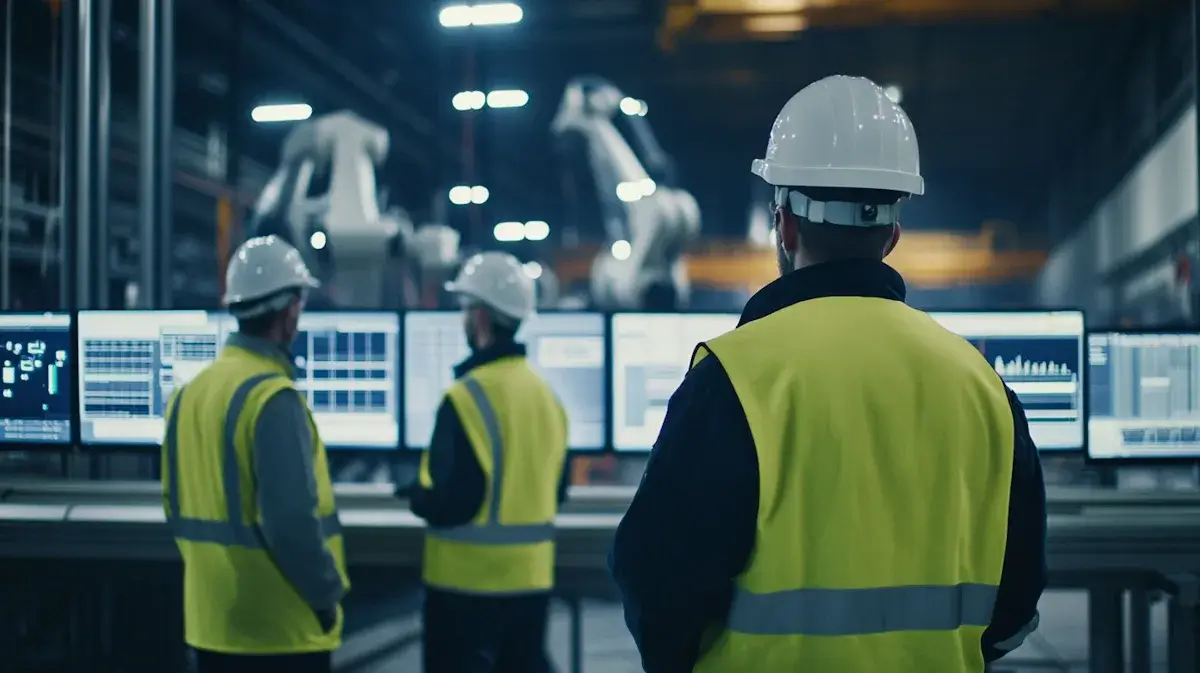
Modern energy monitoring systems provide continuous visibility into how energy is consumed across equipment, production lines, and entire facilities. With real-time insights, businesses can detect problems earlier, optimize performance, and make more informed operational decisions.
Why Energy Visibility Matters
Without detailed consumption data, energy waste often goes unnoticed.
Unexpected spikes in electricity usage, equipment operating outside scheduled hours, or declining system efficiency may continue for weeks before they are discovered.
Real-time monitoring eliminates this blind spot by providing facility managers with accurate, up-to-date information that supports faster and more effective decision-making.
Visibility is the foundation of every successful energy management strategy.
Identifying Inefficiencies Before They Become Costly
Continuous monitoring allows organizations to recognize operational issues as they develop rather than after they have affected production.
Common issues that monitoring systems can reveal include:
- Equipment running during idle periods.
- Abnormal power consumption.
- Compressed air leaks.
- Motor efficiency losses.
- HVAC systems operating outside required schedules.
- Unexpected increases in peak demand.
Addressing these issues early helps reduce unnecessary energy use while preventing avoidable maintenance costs.
Supporting Predictive Maintenance
Energy data can reveal subtle changes in equipment performance that indicate potential mechanical problems.
For example, a gradual increase in electricity consumption may suggest that a motor is under additional strain or requires maintenance.
By combining energy monitoring with preventive maintenance programs, organizations can reduce equipment failures, improve reliability, and extend the lifespan of critical assets.
This proactive approach minimizes downtime while maintaining consistent production performance.
Making Better Operational Decisions
Energy monitoring systems provide more than historical reports—they deliver actionable insights that improve day-to-day operations.
Facility managers can use energy data to:
- Compare production lines.
- Evaluate equipment performance.
- Measure the impact of efficiency projects.
- Optimize operating schedules.
- Reduce unnecessary peak demand.
- Support budgeting and forecasting.
Reliable information helps organizations prioritize investments based on measurable performance rather than assumptions.
Strengthening Sustainability Reporting
As environmental reporting requirements continue to evolve, businesses need reliable operational data to demonstrate progress toward sustainability goals.
Energy monitoring systems simplify this process by automatically collecting consumption data that can be used for:
- Carbon emissions calculations.
- ESG reporting.
- Internal sustainability reviews.
- Regulatory compliance.
- Performance benchmarking.
Accurate reporting builds confidence among customers, investors, and regulatory stakeholders.
Investing in Long-Term Operational Excellence
Implementing an energy monitoring system is not simply a technology upgrade—it is an investment in continuous improvement.
Organizations that understand how energy is consumed can respond more quickly to operational challenges, reduce waste, improve efficiency, and make smarter decisions that support both financial and environmental objectives.
As industrial operations become increasingly data-driven, real-time monitoring will continue to play a central role in achieving sustainable business performance.
Key Takeaways
- Real-time monitoring provides visibility into facility-wide energy consumption.
- Early detection of inefficiencies reduces operating costs and energy waste.
- Energy data supports predictive maintenance and improves equipment reliability.
- Accurate monitoring strengthens sustainability reporting and compliance.
- Data-driven decisions create long-term operational and environmental benefits.
Category :
Energy Efficiency
Solution :
Emissions Insights
Reading time :
5 min read
Writter :
Olivia Brooks
Date :
May 1, 2024