Continue reading


Follow Us:


Wind Energy Solutions for Large Commercial Operations
Wind Energy Solutions for Large Commercial Operations
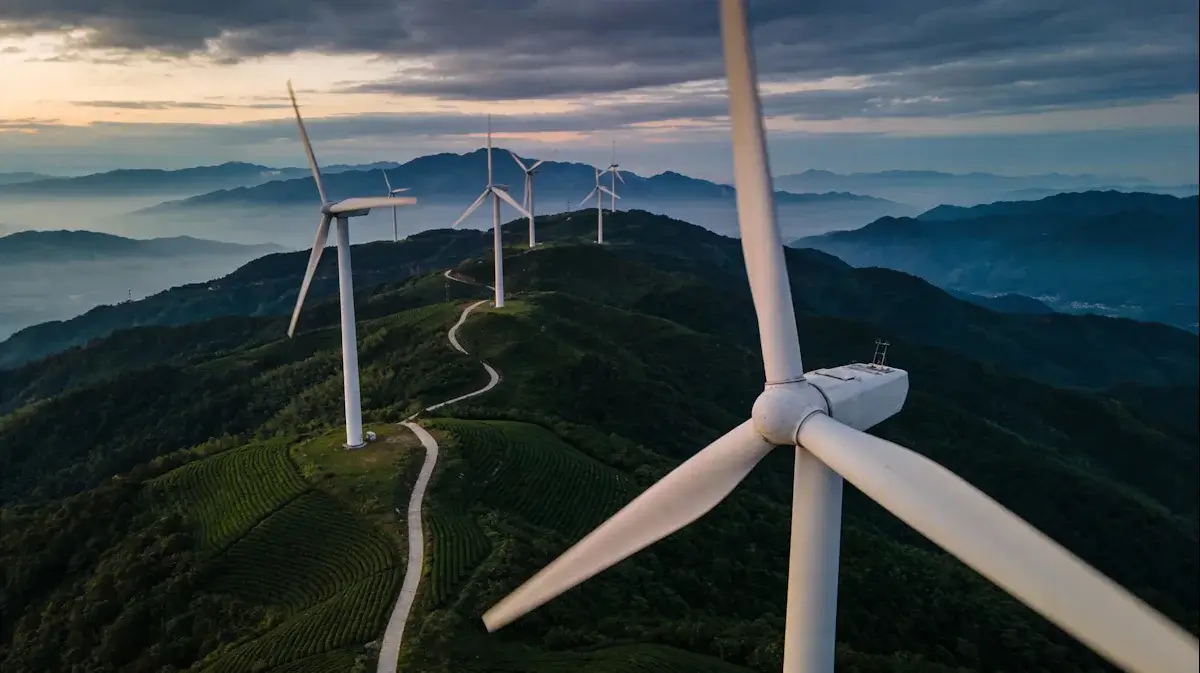
As businesses seek more reliable and sustainable energy sources, wind power has emerged as a practical solution for reducing operating costs and lowering carbon emissions. Advances in turbine technology have made wind energy more efficient and accessible, allowing commercial organizations to integrate renewable power into their long-term energy strategies.
For facilities with suitable wind resources and available land, wind energy offers an opportunity to generate clean electricity while strengthening operational resilience.
Why Businesses Are Exploring Wind Energy
Commercial energy demand continues to grow, while electricity prices remain unpredictable. Organizations are increasingly looking for ways to gain greater control over long-term energy expenses without compromising operational performance.
Wind energy offers several advantages, including:
- Reduced dependence on grid electricity.
- Long-term energy cost stability.
- Lower greenhouse gas emissions.
- Improved energy security.
- Support for corporate sustainability commitments.
When incorporated into a diversified energy strategy, wind power helps businesses become more resilient against future energy market fluctuations.
Evaluating Site Suitability
Not every location is ideal for wind energy. A successful project begins with understanding whether a site has the conditions necessary to generate electricity efficiently.
Key considerations include:
- Average annual wind speeds.
- Land availability.
- Local zoning and permitting requirements.
- Distance to existing electrical infrastructure.
- Environmental and wildlife assessments.
A comprehensive feasibility study ensures the system is appropriately designed for long-term performance and return on investment.
Integrating Wind with Existing Energy Systems
Wind energy does not need to replace existing infrastructure. Many organizations integrate wind generation alongside traditional power sources and other renewable technologies.
Hybrid energy systems can combine:
- Wind turbines.
- Solar photovoltaic systems.
- Battery energy storage.
- Grid electricity.
- Smart energy management platforms.
This integrated approach allows facilities to balance energy production and consumption more effectively while improving overall system reliability.
Reducing Carbon Emissions While Supporting Business Growth
Every unit of renewable electricity generated by wind reduces reliance on fossil fuel-based power.
As organizations work toward carbon reduction targets, wind energy contributes to measurable environmental improvements by:
- Lowering operational emissions.
- Supporting ESG reporting.
- Demonstrating environmental leadership.
- Meeting customer and investor sustainability expectations.
These benefits strengthen both environmental performance and corporate reputation.
Long-Term Financial Value
Although wind energy requires upfront investment, the long operational lifespan of modern turbines provides value over many years.
Organizations often benefit from:
- Lower electricity expenses.
- Reduced exposure to energy price volatility.
- Predictable operating costs.
- Lower maintenance requirements compared to conventional power generation.
- Improved return on sustainability investments.
With proper planning and maintenance, wind systems can continue generating clean energy for decades.
Building a More Resilient Energy Strategy
Renewable energy is no longer simply an environmental initiative—it has become an important component of long-term business strategy.
Wind energy enables organizations to improve operational resilience, reduce environmental impact, and better manage future energy costs. When combined with intelligent monitoring and complementary renewable technologies, it creates a stronger foundation for sustainable business growth.
Key Takeaways
- Wind energy provides reliable, renewable electricity for commercial operations.
- Site assessment is essential to maximize long-term performance.
- Hybrid systems combining wind, solar, and battery storage improve energy resilience.
- Wind power helps reduce emissions and supports corporate sustainability goals.
- Long-term operational savings can offset initial investment costs.
Category :
Clean Energy
Solution :
Clean Energy
Reading time :
6 min read
Writter :
Daniel Foster
Date :
May 4, 2024