Continue reading


Follow Us:


Five Ways Manufacturers Can Reduce Energy Costs Without Major Upgrades
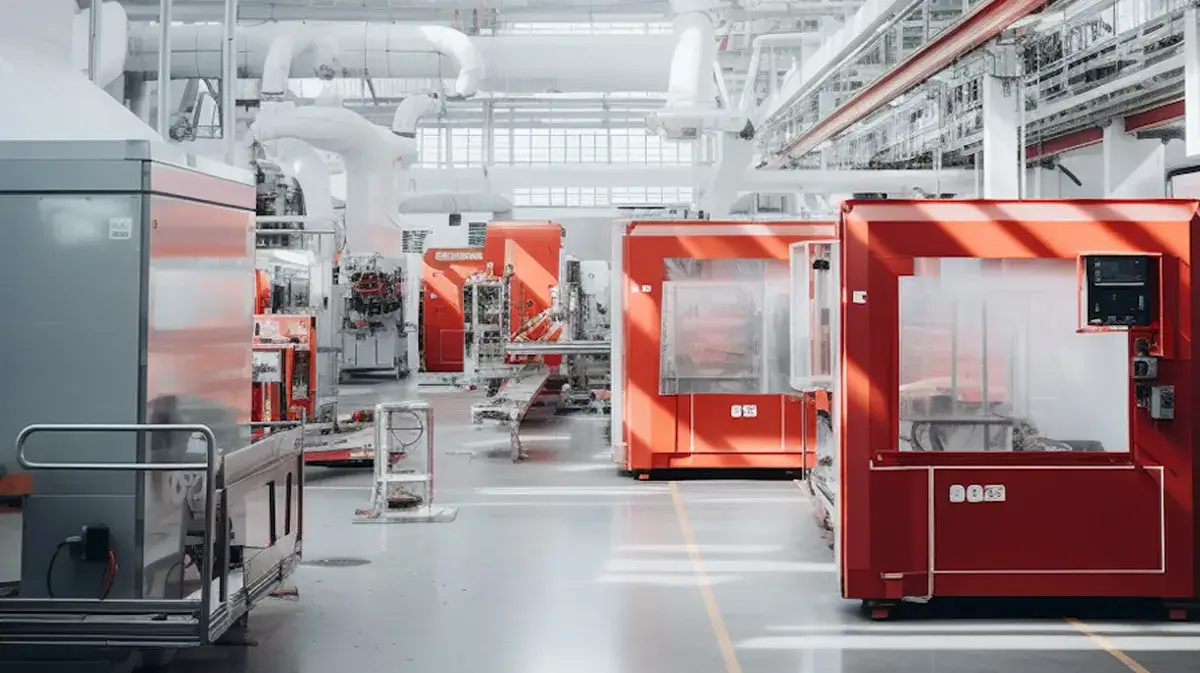
Five Ways Manufacturers Can Reduce Energy Costs Without Major Upgrades
For many manufacturers, reducing energy costs is often associated with large capital investments or replacing entire production systems. While equipment modernization can deliver significant savings, many facilities can achieve meaningful reductions through operational improvements that require far less investment.
By focusing on efficiency, visibility, and smarter resource management, organizations can lower operating expenses while supporting broader sustainability goals.
1. Monitor Energy Consumption in Real Time
Many facilities only review utility bills at the end of each month, making it difficult to identify where energy is being wasted.
Installing real-time monitoring systems allows facility managers to track electricity usage by production line, equipment, or operating schedule. This visibility helps identify unusual consumption patterns before they become costly problems.
Accurate energy data also enables better planning for future efficiency projects.
2. Optimize Equipment Operating Schedules
Production equipment often continues consuming electricity during idle periods.
Reviewing operating schedules can reveal opportunities to:
- Shut down equipment during extended downtime.
- Automate startup and shutdown procedures.
- Reduce unnecessary standby power.
- Schedule energy-intensive operations during off-peak hours where applicable.
These adjustments typically require minimal investment while producing measurable savings.
3. Improve Preventive Maintenance
Poorly maintained equipment consumes more energy than systems operating at peak performance.
Regular maintenance activities such as replacing filters, repairing compressed air leaks, lubricating moving components, and calibrating motors help improve efficiency while extending equipment lifespan.
Preventive maintenance also reduces the likelihood of unexpected production interruptions.
4. Engage Employees in Energy Efficiency
Operational improvements are most successful when employees understand how their daily activities influence energy performance.
Simple initiatives such as turning off unused equipment, reporting compressed air leaks, or following standardized shutdown procedures can collectively reduce unnecessary consumption across an entire facility.
Building an energy-aware workplace encourages continuous improvement rather than one-time cost reductions.
5. Use Energy Data to Guide Future Investments
Not every efficiency project delivers the same return.
Organizations that collect reliable operational data can prioritize investments based on measurable performance instead of assumptions. This approach reduces financial risk while ensuring sustainability initiatives generate long-term business value.
Energy analytics also make it easier to measure progress toward environmental objectives and demonstrate improvements to stakeholders.
Moving Toward Smarter Energy Management
Reducing industrial energy costs does not always require major infrastructure upgrades. Many organizations achieve substantial improvements by optimizing existing assets, improving operational visibility, and making better use of performance data.
As energy prices continue to fluctuate and sustainability expectations increase, incremental improvements today can become the foundation for larger efficiency gains in the future.
Key Takeaways
- Monitor energy use continuously rather than relying only on monthly utility bills.
- Optimize equipment schedules to eliminate unnecessary consumption.
- Maintain assets regularly to maximize operational efficiency.
- Build employee awareness around energy-saving practices.
- Use performance data to prioritize future sustainability investments.
Category :
Energy Strategy
Solution :
Clean Energy
Reading time :
5 min read
Writter :
Daniel Foster
Date :
April 17, 2024