Continue reading


Follow Us:


Building Lower-Carbon Operations Through Smarter Resource Management

Building Lower-Carbon Operations Through Smarter Resource Management
As organizations work toward ambitious sustainability goals, reducing carbon emissions has become a business priority rather than simply an environmental initiative. While transitioning to renewable energy plays an important role, meaningful progress also depends on how efficiently companies manage the resources they already use every day.
Smarter resource management enables businesses to lower emissions, reduce waste, improve operational efficiency, and strengthen long-term resilience—all while supporting financial performance.
Sustainability Begins with Visibility
Organizations cannot improve what they cannot measure.
Many facilities still rely on fragmented reporting systems, making it difficult to understand where energy, water, raw materials, and emissions are being generated across operations.
By collecting accurate operational data, businesses gain the visibility needed to identify inefficiencies, prioritize improvements, and monitor sustainability performance over time.
Reliable data also creates a stronger foundation for environmental reporting and regulatory compliance.
Improving Resource Efficiency Across Operations
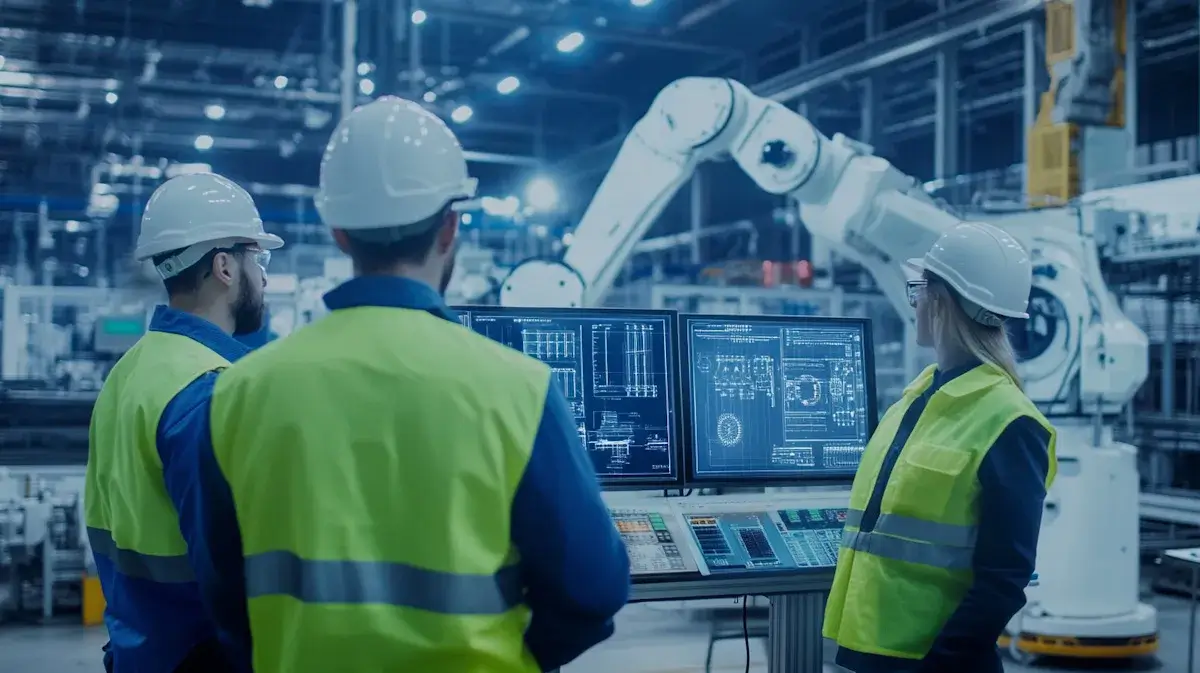
Every manufacturing or commercial facility consumes a combination of electricity, fuel, water, and raw materials. Even small inefficiencies across these systems can accumulate into significant operational costs and unnecessary carbon emissions.
Organizations can improve resource efficiency by:
- Optimizing production processes.
- Reducing equipment idle time.
- Monitoring water consumption.
- Improving material utilization.
- Recovering waste heat where possible.
- Eliminating unnecessary energy losses.
Incremental improvements often deliver measurable environmental benefits without requiring major operational changes.
Using Land More Responsibly
Land is an important operational asset that should be managed with long-term sustainability in mind.
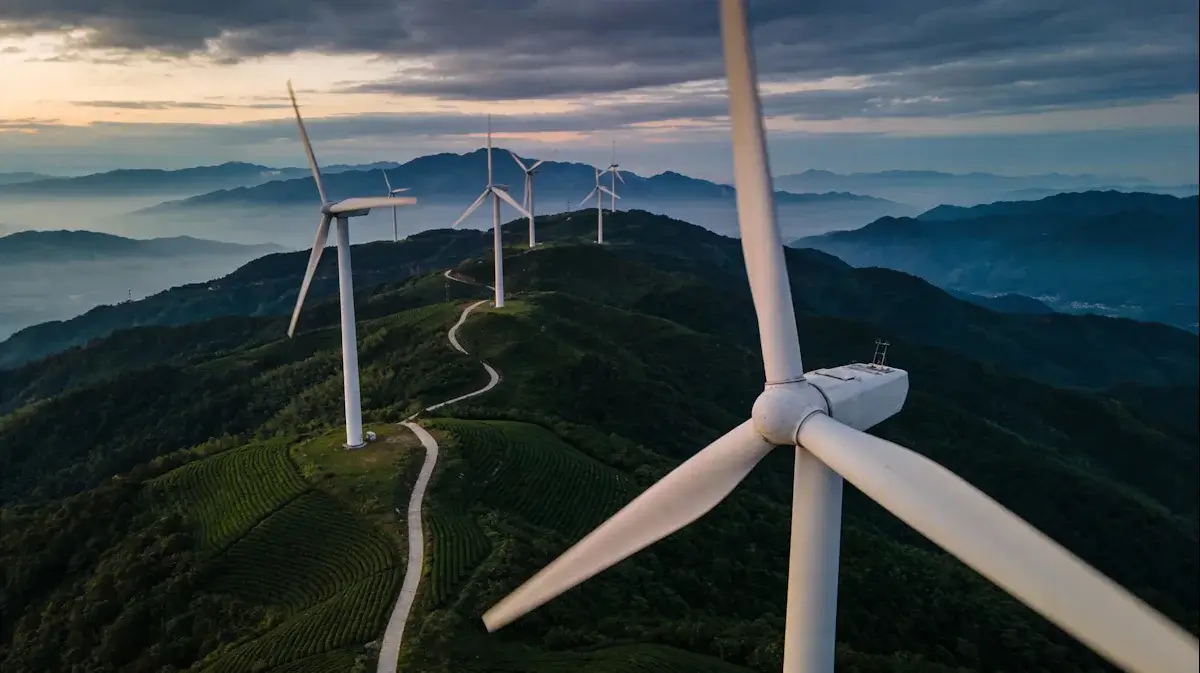
Responsible land optimization includes protecting natural ecosystems while ensuring facilities continue to operate efficiently. Businesses can improve land performance by restoring unused areas, integrating renewable energy installations, managing stormwater effectively, and preserving biodiversity where practical.
These initiatives create environmental value while supporting long-term operational growth.
Turning Data into Better Decisions
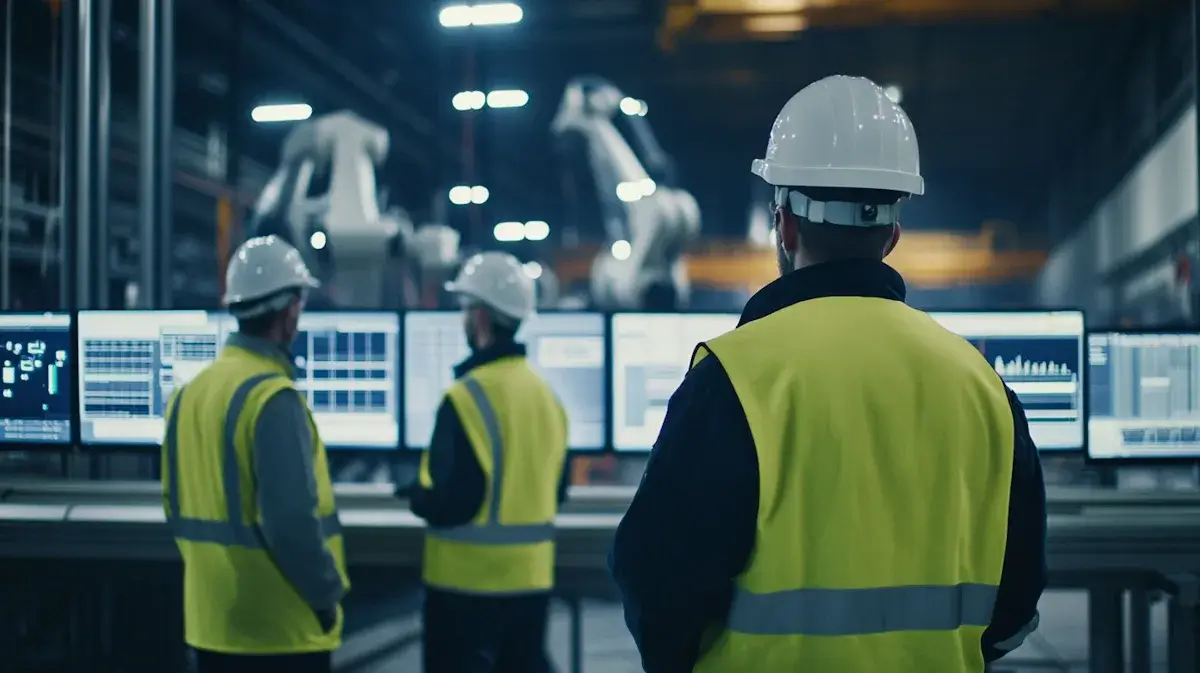
Digital monitoring technologies allow organizations to move beyond reactive environmental management.
Real-time performance data helps operations teams:
- Track emissions continuously.
- Detect abnormal resource consumption.
- Compare facility performance.
- Evaluate improvement initiatives.
- Make informed investment decisions.
Instead of relying solely on annual sustainability reports, organizations can monitor progress throughout the year and respond more quickly to emerging challenges.
Creating Business Value Through Sustainability
Effective sustainability strategies deliver benefits beyond environmental performance.
Organizations that improve resource management often experience:
- Lower operating costs.
- Increased operational efficiency.
- Stronger regulatory preparedness.
- Better ESG performance.
- Improved stakeholder confidence.
- Greater resilience against future environmental risks.
These outcomes demonstrate that sustainability and business performance are increasingly interconnected.
A Continuous Journey Toward Lower-Carbon Operations
Building lower-carbon operations is not achieved through a single project or technology. It requires continuous improvement, informed decision-making, and a commitment to using resources more efficiently across every aspect of the business.
By combining accurate emissions insights with responsible land management and operational optimization, organizations can make steady progress toward sustainability goals while strengthening long-term competitiveness.
Key Takeaways
- Accurate operational data is essential for reducing emissions.
- Resource efficiency lowers both environmental impact and operating costs.
- Responsible land management supports sustainable business growth.
- Continuous monitoring enables faster and better sustainability decisions.
- Long-term success comes from integrating sustainability into everyday operations.
Category :
Sustainability
Solution :
Emissions Insights, Land Optimization
Reading time :
7 min read
Writter :
Maya Chen
Date :
April 24, 2024