


Strengthening Logistics Operations with Hybrid Solar and Battery Storage
Challenge & Approach
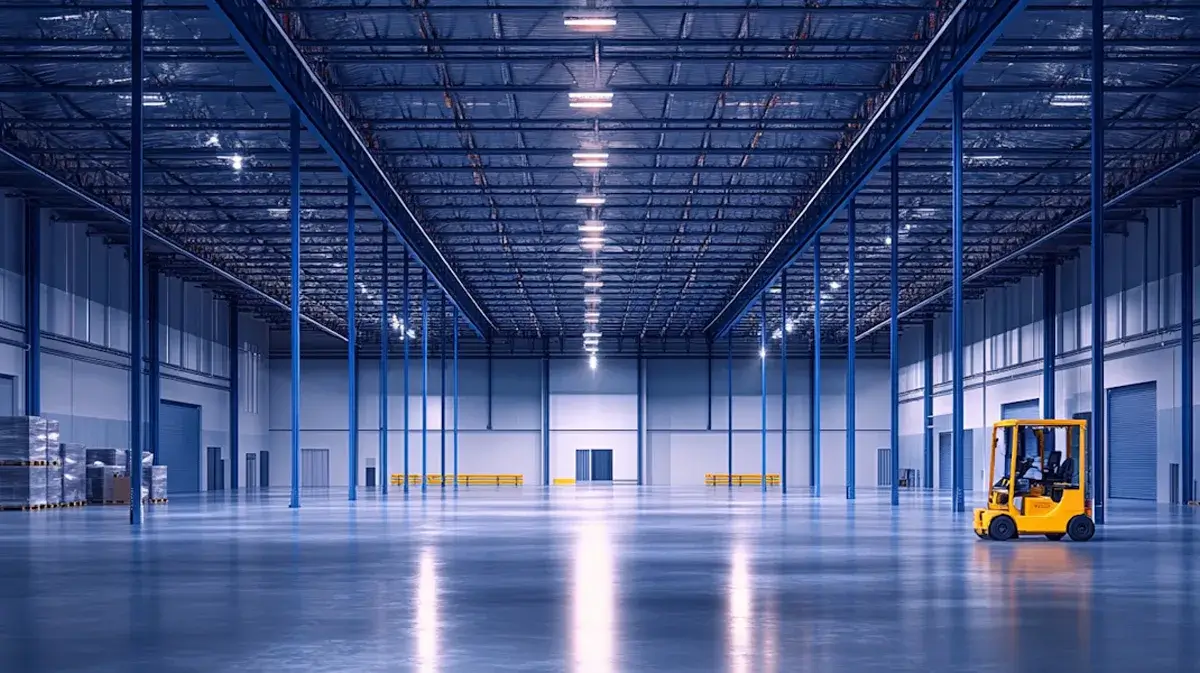
A regional logistics operator required a more reliable and cost-effective energy strategy to support its distribution center, which operates around the clock. Frequent peak electricity demand and increasing utility costs were affecting operational efficiency, while business continuity depended on maintaining uninterrupted power for warehouse automation, refrigeration systems, and electric loading equipment.
The organization also sought to reduce its environmental impact by integrating renewable energy into its daily operations without compromising system reliability.
Emergena designed a hybrid energy solution that combined rooftop solar generation with battery energy storage, enabling the facility to maximize renewable energy use while improving power reliability during periods of high demand.
The project approach included:
- Assessing facility energy demand and peak load profiles.
- Designing a hybrid solar and battery storage system.
- Integrating battery controls with existing electrical infrastructure.
- Optimizing charging and discharging schedules to reduce peak demand.
- Implementing a digital monitoring platform to track system performance and energy savings.
The integrated solution was engineered to provide a balanced energy strategy that supports operational resilience while reducing dependence on conventional grid electricity.
Results & Impact
The hybrid energy system significantly improved the facility's energy performance by combining renewable electricity generation with intelligent battery storage.
The project reduced electricity costs, improved energy reliability, and strengthened the company's long-term sustainability strategy.
Key outcomes included:
Lower Peak Electricity Demand
Battery storage reduced peak electricity consumption by supplying stored energy during periods of highest demand, lowering utility charges and improving energy efficiency.
Improved Operational Resilience
Critical warehouse operations continued to receive stable power during temporary grid interruptions, minimizing operational risks and improving business continuity.
Increased Renewable Energy Utilization
Solar-generated electricity was stored and used when needed, allowing the facility to maximize renewable energy consumption throughout the day.
Supporting Sustainability Goals
The hybrid system reduced greenhouse gas emissions associated with grid electricity while providing measurable environmental performance data for sustainability reporting.
Results that speak for themselves.